




How to Spot a Flood-Damaged Used Car Before You Buy It (Florida Buyer’s Guide)
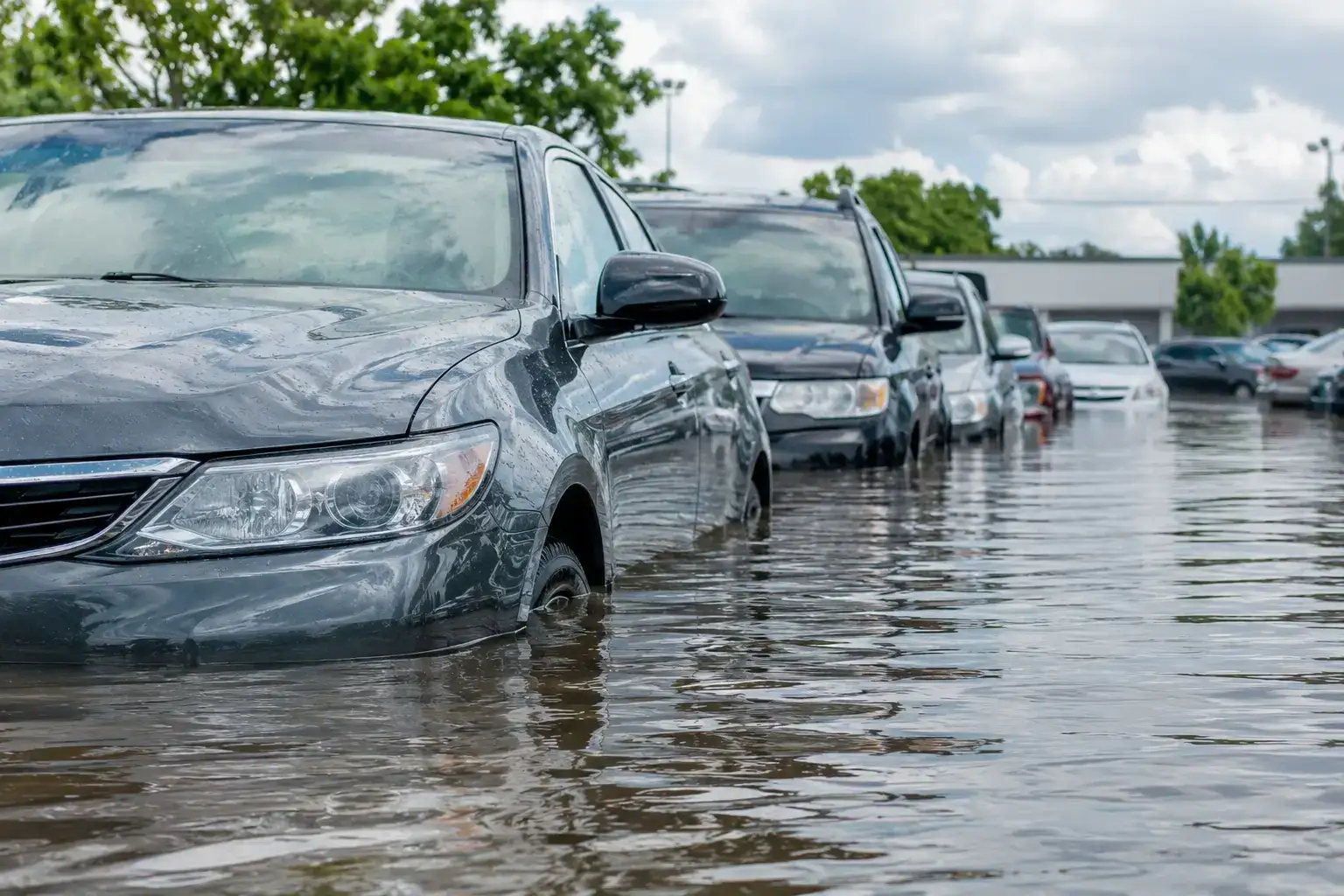
Florida is one of the most active used car markets in the country, and after every hurricane season, it is also one of the most compromised. Flood-damaged vehicles, sometimes called flood cars, enter the used car market after major weather events, and they make their way to private sellers, independent lots, and occasionally to auction pipelines that supply dealer inventory nationwide. If you are buying a used vehicle in Florida, understanding how to identify flood damage before you buy is essential protection.
This guide covers the visual, sensory, and documentary red flags that indicate flood exposure, the free VIN check tools that reveal title history, what to look for on a test drive, and why certified pre-owned vehicles offer meaningful protection against this specific risk.
Why Flood Cars Flood the Market After Hurricane Season
When a major storm pushes water into a city or coastal area, vehicles that were parked in garages, driveways, and streets can be partially or fully submerged. Insurance companies total out vehicles when repair costs reach the state’s threshold, which in Florida is 80 percent of what it would cost to replace the vehicle with one of like kind and quality. The physical vehicle still exists after that, and it gets sold, often at salvage auction. From there, a percentage of those vehicles are repaired cosmetically and re-enter the used car market, sometimes with a clean title if the owner launders the vehicle’s history through a state with less rigorous title branding requirements.
Florida’s own geography creates a local supply of flood cars after events like hurricane-related flooding, heavy rainfall events, and storm surge along the coast. But flood cars also arrive from out of state. After major flooding events in Texas, Louisiana, the Carolinas, and other Southern states, vehicles travel to Florida markets, which are large, active, and sometimes less scrutinized than the states where the flooding occurred. This cross-state pipeline is why buyers in Stuart can encounter flood-damaged vehicles even when Martin County itself was not directly affected by a weather event.
The incentive for sellers is straightforward: a cosmetically cleaned flood car can sell for close to market value if the buyer does not know its history. The degradation from water damage, including electrical system corrosion, mold growth in the HVAC system, compromised airbag modules, and weakened structural components, often does not manifest immediately. A flood car may drive and appear normal for weeks or months before the underlying damage causes failures.
10 Visual Red Flags You Can Spot in 60 Seconds
Before you get in the car, spend one minute looking at these specific areas:
- Water line marks: Look for a faint horizontal line in the door jambs, on the interior panels, or inside the engine bay that runs at a consistent height. This is a residue mark from standing water and is extremely difficult to fully eliminate.
- Mud or silt in low areas: Check the spare tire well under the trunk floor. Water carries sediment, and sediment settles in low spots that are difficult to clean thoroughly. Mud in the spare tire well is one of the most reliable indicators of significant water intrusion.
- Rust on interior fasteners: Look under the seats, at the seat rails, and at any exposed bolts or screws inside the vehicle. Interior fasteners in a vehicle that has never seen water should show no rust. Rust on these components, especially on a newer vehicle, is a strong indicator of submersion.
- Headlight and taillight water marks: Remove the headlight and taillight covers visually if possible, or look closely through the lens for water staining or condensation deposits on the reflector surface. Water intrusion into sealed lighting assemblies is difficult to clean and leaves visible residue.
- New carpet or padding on an older vehicle: If the vehicle’s interior is otherwise showing its age but the carpet looks fresh, feel underneath it. Aftermarket carpet is a common way to cover water staining and odors. If the padding underneath smells musty or shows staining, the carpet was likely replaced to conceal flood exposure.
- Electrical connectors showing corrosion: Look under the dashboard at visible wire harness connectors. White or green corrosion on electrical connectors indicates water exposure. This is a labor-intensive area to inspect thoroughly, but visible corrosion in accessible areas indicates more corrosion deeper in the system.
- Foggy or discolored instrument cluster: A water-damaged instrument cluster may show fogging behind the glass, discoloration, or inconsistent backlighting. This is difficult to conceal and indicates water reached the dashboard interior.
- Mismatched or non-factory sound deadening: Look under the floor mats and in door panels for signs of non-factory adhesive or mismatched padding. Sellers sometimes replace water-damaged insulation with aftermarket materials that do not match the factory specification.
- Doors that do not close flush: Flood damage can warp door seals, causing doors to align slightly differently than factory spec. Check all four doors and the trunk lid for even gaps and consistent alignment around the perimeter.
- Corrosion on the battery terminals and surrounding tray: If the battery shows significant corrosion on both terminals and the battery tray shows rust or discoloration, it may have been exposed to water or replaced after a flooding event.
What to Smell, Touch, and Listen For
Smell is one of the most reliable flood damage indicators and one of the hardest to eliminate. A flood-damaged vehicle that has been improperly dried develops mold and mildew in the HVAC ducting, under the carpet, and in the door panels. The smell is musty, sometimes sweet, and often stronger when the AC or heat is running. Turn on the climate system and put your face near the vents. A flood car often smells normal until the HVAC circulates air through the contaminated ducting.
Touch the carpet padding, the seats, and the trunk liner. Flood-dried materials can have a slightly stiff texture different from normal wear, particularly if they were dried quickly or dried at elevated temperature. Leather seats that crinkle abnormally or have areas of unusual discoloration may have been saturated.
Listen during startup for any electrical irregularities: warning lights that come on and go off unexpectedly, infotainment system behavior that does not match the vehicle’s history, or window and seat motor sounds that indicate water in the motor assemblies. These symptoms are not definitive on their own, but combined with other indicators, they strengthen the case for further investigation.
The Documents That Reveal (or Hide) Flood History
A vehicle history report from Carfax or AutoCheck is a starting point but not a guarantee. These reports rely on insurance company reporting and title branding, and there is a gap between what actually happened to a vehicle and what made it into the reporting system. A flood car sold by a private party to a cash buyer, or one that was dried out and sold before an insurance claim was filed, may not appear in a Carfax flood report. That said, run the report regardless. A positive flood indicator on Carfax confirms the problem immediately and ends the decision.
Look at the title carefully. Florida issues different title brands for different vehicle conditions, and a salvage or rebuilt title is a significant disclosure. Florida law requires sellers to disclose flood or salvage history, but private sellers sometimes misrepresent or omit this information. The title paperwork, not just the seller’s verbal representation, is what matters legally. If you are buying from a private seller and the title is not available to inspect before the test drive, that is a red flag in itself.
Ask for maintenance records. A vehicle with documented, continuous service history at a dealership or a single repair shop has a paper trail that makes it difficult to conceal a major event like flood damage. A vehicle with a gap in its service history around the time of a major local or regional weather event is worth examining more carefully.
VIN Check Services Every Buyer Should Use
Before spending money on a paid vehicle history report, use these free tools:
- NICB VINCheck at nicb.org/vincheck is provided by the National Insurance Crime Bureau and checks whether a vehicle has been reported as stolen or as an insurance total loss. Total-loss status is one of the key indicators of flood damage at the insurance level. The check is free and takes about 30 seconds with the VIN. Note the limit: five searches per 24 hours from the same IP address, so if you are screening several vehicles, prioritize the ones you are closest to buying. NICB also states plainly that VINCheck covers only participating insurers and is not a comprehensive vehicle history report, which is why it belongs alongside the other checks rather than replacing them.
- The National Motor Vehicle Title Information System, or NMVTIS, is a database overseen by the U.S. Department of Justice that tracks title brands across all 50 states. A salvage or flood title branded in any state should show up here even if the vehicle has been re-registered somewhere with less rigorous disclosure requirements, which makes it the primary defense against title washing. NMVTIS is not free: you request the report through an approved data provider, and each provider sets its own price, historically in the range of roughly $8 to $13. The official list of approved providers is at vehiclehistory.bja.ojp.gov. For a vehicle you are seriously considering, that is the single most worthwhile paid check you can run.
- Carfax and AutoCheck both sell full history reports, and Carfax periodically runs a free flood-check tool after major storm events. Availability varies, so check carfax.com directly rather than assuming the tool is live. Treat either report as a supplement to the NICB and NMVTIS checks, not a substitute: both rely on what gets reported to them.
What to Test on the Test Drive
Start the engine and immediately turn on the climate system, including the AC. Run it for five minutes with the heat and cooling, and smell the vent output. Flood cars often reveal themselves through the HVAC when it circulates air through contaminated ducting.
Test every electrical system: all windows, both mirrors, the sunroof if equipped, every USB port, the infotainment touchscreen response, the backup camera, all seat adjustments, every interior light, and the horn. Electrical failures from water damage are random and inconsistent, and running through a comprehensive electrical check during the test drive is the fastest way to surface corrosion-related faults.
Pay attention to how the transmission shifts. Water contamination in the transmission fluid is a serious issue that causes rough, delayed, or erratic shifting. This may not manifest during a brief test drive but can become apparent on a longer drive that includes highway speeds and multiple gear transitions.
If the test drive goes well, request an independent pre-purchase inspection at a shop of your choosing before you commit. This is standard practice for any used vehicle purchase and is particularly important if you have any suspicion of flood history.
Why Buying Certified Pre-Owned Protects You From Flood Cars
GM Certified Pre-Owned vehicles go through a multi-point inspection process that includes examination for flood and salvage history. A vehicle with a documented flood title or verifiable flood damage cannot receive CPO certification. The certification is tied to the vehicle’s documented history, not just its current appearance.
When you buy a CPO Buick or GMC from Starling Buick GMC Stuart, you are buying a vehicle that a factory-trained technician has inspected against GM’s certification standard. That standard includes a clean title requirement that categorically excludes flood-branded vehicles. You also receive GM’s CPO warranty coverage, which provides coverage that a private-party used vehicle purchase does not include.
The price premium for CPO over comparable private-party used vehicles is real, but it represents the cost of the inspection, the warranty coverage, and the documentation that eliminates the flood car risk. For buyers in Florida’s post-hurricane-season market, the CPO designation is not just a marketing term. It is a specific, verifiable protection against one of the most common used-car pitfalls in this state.
Shop Flood-Free Certified Pre-Owned Vehicles at Starling Buick GMC Stuart
Our pre-owned inventory at Starling Buick GMC Stuart includes CPO vehicles that have passed GM’s certification inspection and meet the clean title standard. If you are in the market for a used Buick or GMC and want to buy with confidence in a Florida market where flood cars are a genuine risk, CPO is the most straightforward protection available.
Browse our current CPO inventory online or visit our lot in Stuart. Our sales team can walk you through the specific inspection history and warranty coverage for any CPO vehicle you are considering. We serve buyers throughout Martin County, Stuart, Hobe Sound, Palm City, Port St. Lucie, Jensen Beach, and the surrounding Treasure Coast area.
Conclusion
Florida’s used car market after hurricane season is not the place to buy on instinct. The tools to protect yourself are available, most of them free, and the inspection process described in this guide takes less than an hour of your time before you commit to a purchase. Check the NICB VINCheck and vehiclehistory.bja.ojp.gov before you visit, look for the ten visual red flags before you get in the car, run the HVAC and electrical systems during the test drive, and request a pre-purchase inspection if anything is uncertain. And if you want to eliminate the research burden entirely, certified pre-owned at Starling Buick GMC Stuart removes the flood car risk from the equation by design.
Frequently Asked Questions
Can a car be fixed after flood damage?
Some flood damage is repairable, but the cost depends on how deep the water intrusion was and how quickly the vehicle was dried and treated. Vehicles that were briefly exposed to water at tire level often recover well. Vehicles that were submerged above the floorboards, particularly with standing water exposure over hours or days, face corrosion in electrical systems, mold in HVAC components, and structural integrity concerns that may not be fully correctable. A flood car with a salvage title may be driveable, but it will carry that designation on its title permanently.
Does Carfax always show flood damage?
No. Carfax relies on reported data from insurance companies, state DMVs, and other data sources. If a flood loss was not reported to an insurer, if the vehicle was repaired and sold privately before a title brand was applied, or if the title was washed through a state with less rigorous branding requirements, the Carfax report may show a clean history. Use Carfax alongside the free NICB VINCheck and the vehiclehistory.bja.ojp.gov NMVTIS check for more complete coverage.
Is it illegal to sell a flood car without disclosing it in Florida?
Florida law requires sellers to disclose material defects that affect the value of the vehicle, and known flood damage qualifies. Dealers are held to a higher disclosure standard than private sellers. However, enforcement depends on what the seller knew and can prove in a legal dispute, and private sellers sometimes misrepresent history. The best protection is not to rely on disclosure but to verify the vehicle’s history yourself through VIN checks, a title inspection, and a pre-purchase inspection by an independent mechanic.
What does a flood or salvage title look like?
In Florida, a branded title will show the brand designation printed on the certificate itself. Common brands include Salvage, Rebuilt, and Flood. A clean title from Florida will not have any of these notations. If you are reviewing a title from another state, the format and language vary, but most states print the brand designation prominently on the document. If a seller cannot produce the title for inspection before the purchase, do not proceed.
0 comment(s) so far on How to Spot a Flood-Damaged Used Car Before You Buy It (Florida Buyer’s Guide)